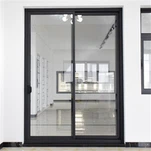
O que são portas francesas?
No século XVII, arquitetos franceses, inspirados no design italiano, começaram a fazer janelas francesas. Estas janelas têm um belo design, são constituídas por dois painéis maioritariamente de vidro que trazem mais luz ao interior e facilitam o acesso a varandas e varandas. Esse estilo de design rapidamente se tornou popular, chegando à Inglaterra e, eventualmente, aos Estados Unidos, onde ficou conhecido como "portas francesas".
As portas francesas de hoje continuam a ter um belo design e são frequentemente instaladas em salas para inundá-las com luz natural enquanto se abrem para decks e pátios. As portas francesas interiores também são comuns, servindo como passagens entre espaços interiores e tornando-se-elementos de design atraentes.
Algumas portas francesas apresentam um padrão-reduzido que homenageia as janelas francesas originais. Na época, como grandes painéis de vidro não estavam prontamente disponíveis, os designers usaram montantes centrais para separar painéis de vidro menores e individuais. Os designs atuais concentram-se mais na estética, com portas francesas identificadas por trilhos superiores e inferiores mais largos e pesados, tornando-as mais fáceis de distinguir.


As portas francesas diferem em tamanho, formato e operação?
As portas francesas são uma adição clássica ao interior que oferecem flexibilidade de design para se adequar à sua visão única. Se pretende criar uma estética verdadeiramente deslumbrante, pode optar pelas portas em arco, a sua beleza é incomparável. Para capturar melhor a luz natural e abrir os espaços interiores, você pode adicionar janelas laterais próximas às portas ou janelas de popa acima. Além disso, você tem uma variedade de opções de ação. Por exemplo, você pode abrir um dos painéis da porta enquanto o outro permanece parado. Neste caso, você pode até dobrar o painel de controle no centro da abertura. As portas francesas também estão disponíveis em uma variedade de formatos e tamanhos. Você pode escolher entre painéis de portas de tamanhos diferentes para obter melhores resultados ou optar por uma porta francesa ousada de 3-pés-de altura e 7 pés de largura
As portas francesas são eficientes em termos energéticos?
Ao considerar portas com eficiência-energética, as portas francesas são uma ótima escolha. Você pode economizar energia se escolher a porta mais adequada para sua casa. Há muitos fatores a serem considerados, como adicionar uma camada de vidro para melhorar o desempenho energético e alterar a quantidade e o tipo de revestimento radiante para melhorar o desempenho. Se você mora no sul, pode escolher vidro-resistente ao calor para reduzir a absorção do calor solar. Para os residentes do norte, o vidro que absorve o calor solar enquanto bloqueia o ar frio seria uma boa escolha. O mais importante é a qualidade de construção da porta e a qualidade do material. Escolher portas-com eficiência energética é uma medida ecologicamente correta que ajuda a proteger nosso meio ambiente e ao mesmo tempo economiza dinheiro nas contas de energia da sua casa.